
Regenerative Vines in South Africa

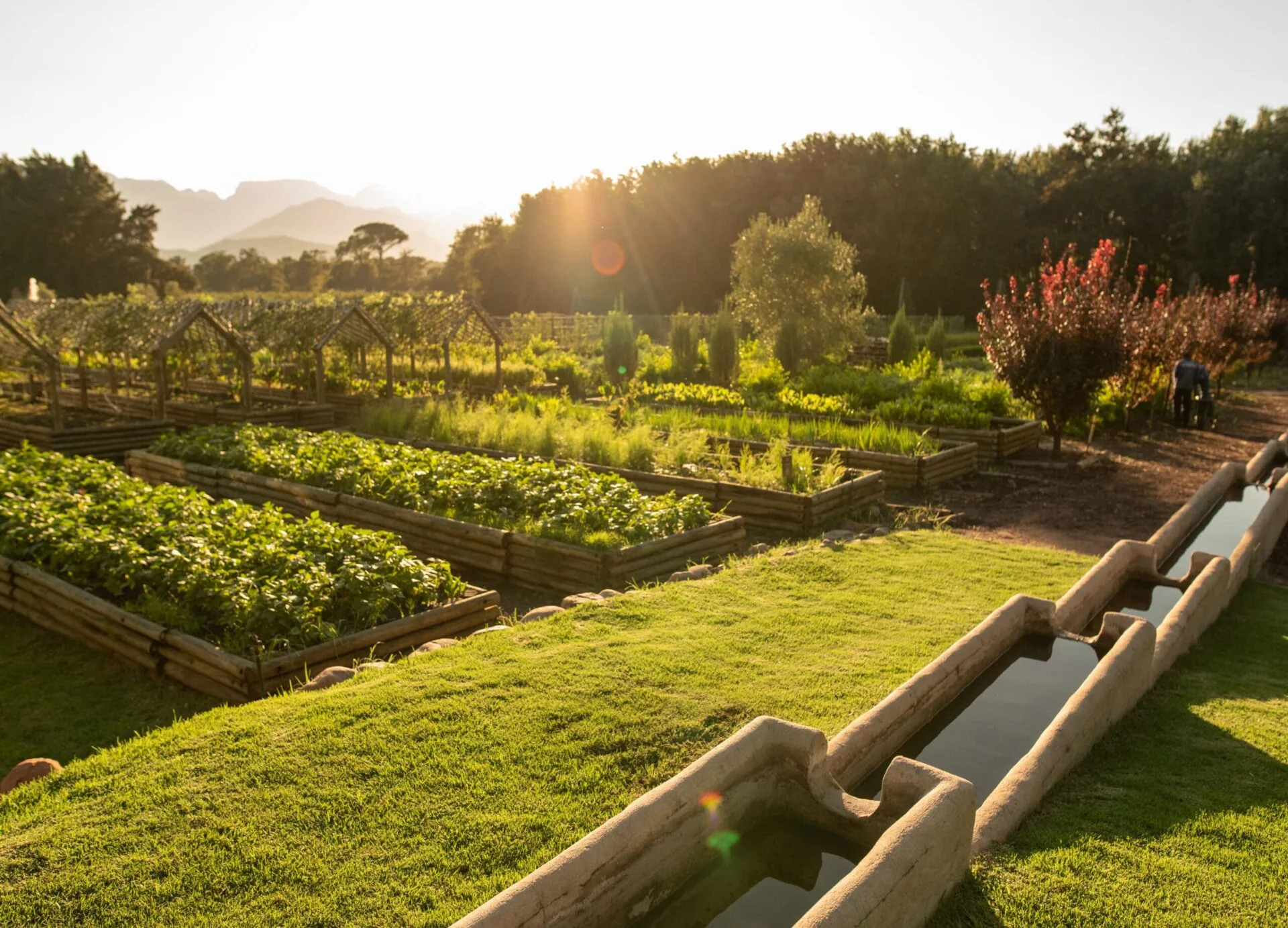
Boschendal is one of South Africa’s oldest farms and leading sustainable wineries
Founded in 1685, Boschendal is one of South Africa’s oldest farms and a leading sustainable winery nestled in the Drakenstein Valley, near Stellenbosch.
The farm offers visitors a multi-sensory experience across its orchards, vineyards, grasslands, and wild areas.Boschendal is dedicated to regenerative agriculture and the conservation of wild areas.
As one of the largest conversion farms in the region, Boschendal has actively regenerated 800 hectares through its Alien Clearing and Water Conservation Program since 2015, earning the Cape Fox Award.
In addition to these sustainable land practices, Boschendal uses solar energy and composting to reduce its greenhouse gas emissions.
In 2024, Boschendal was awarded as a WWF Conservation Champion for its exceptional commitment to the collective conservation of threatened habitat and outstanding dedication to environmentally-responsible farming practices.
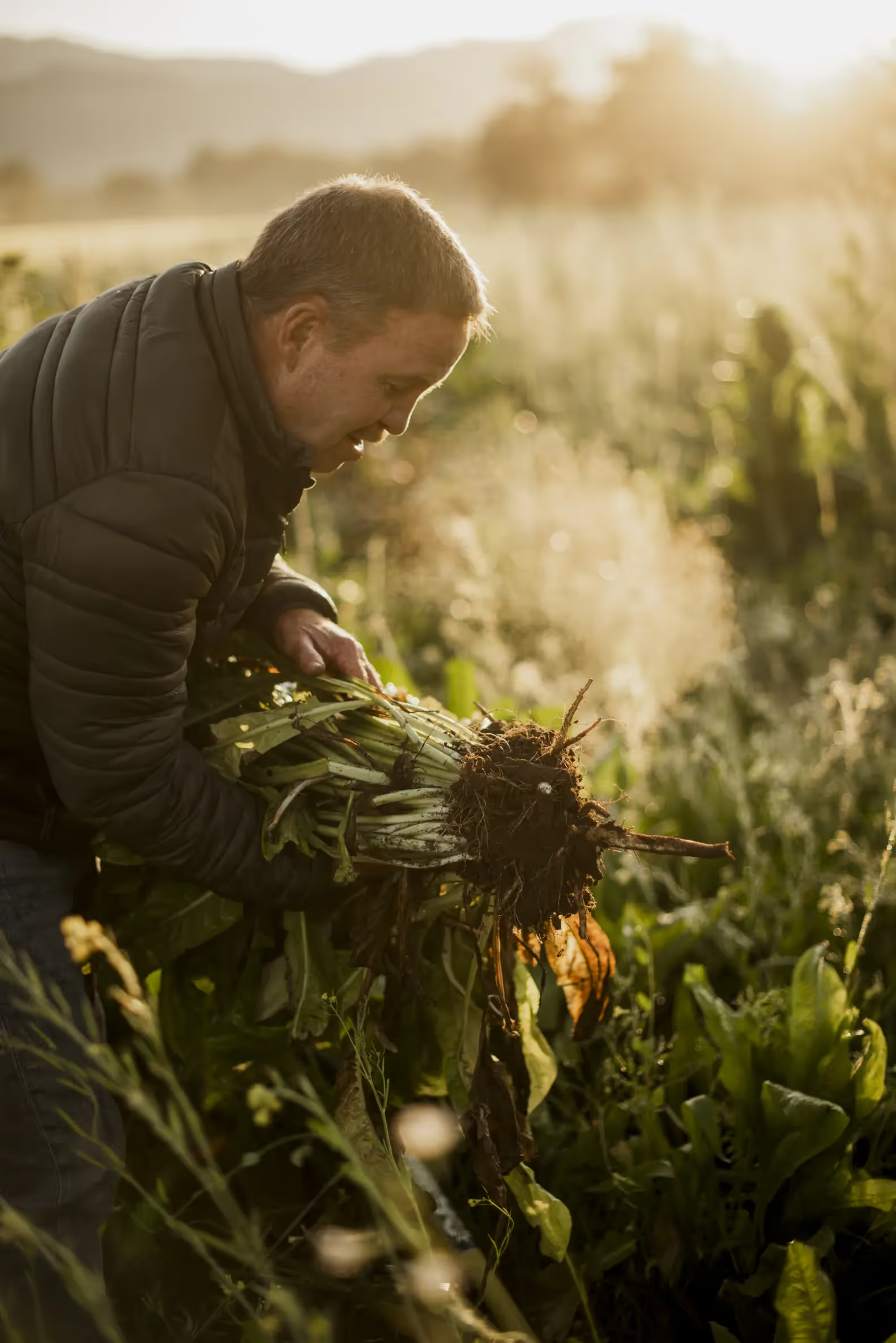
Boschendal is committed to enriching and nurturing their soil and promoting biodiversity.
Boschendal employs regenerative intensive farming with rotational natural grazing behaviors for cattle, manages cropland using cover cropping in both summer and winter, and conserves and restores wild areas with endemic plant species, all of which are recognized by Global GAP and WWF.
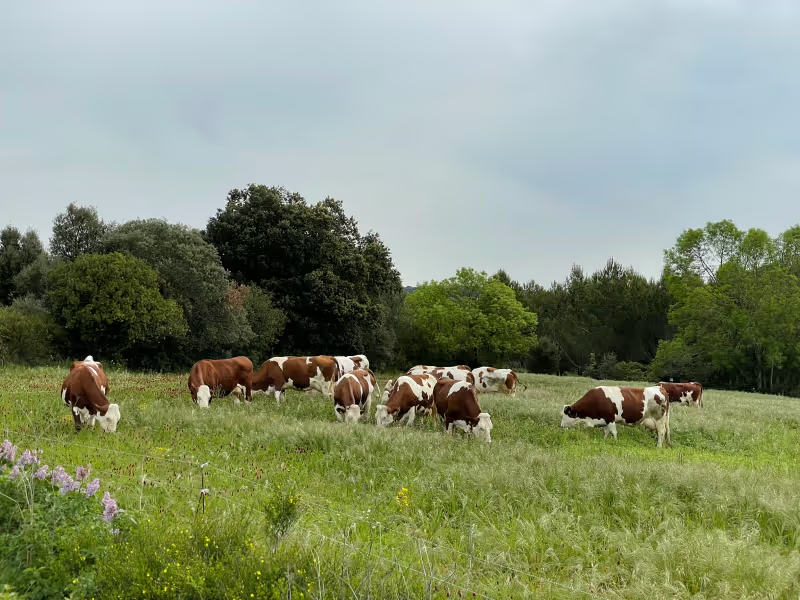
Mimicking wild herbivore patterns, livestock graze freely across diverse landscapes. This practice promotes plant biodiversity, improves soil health through nutrient cycling, and restores natural ecosystems while producing high-quality animal products.
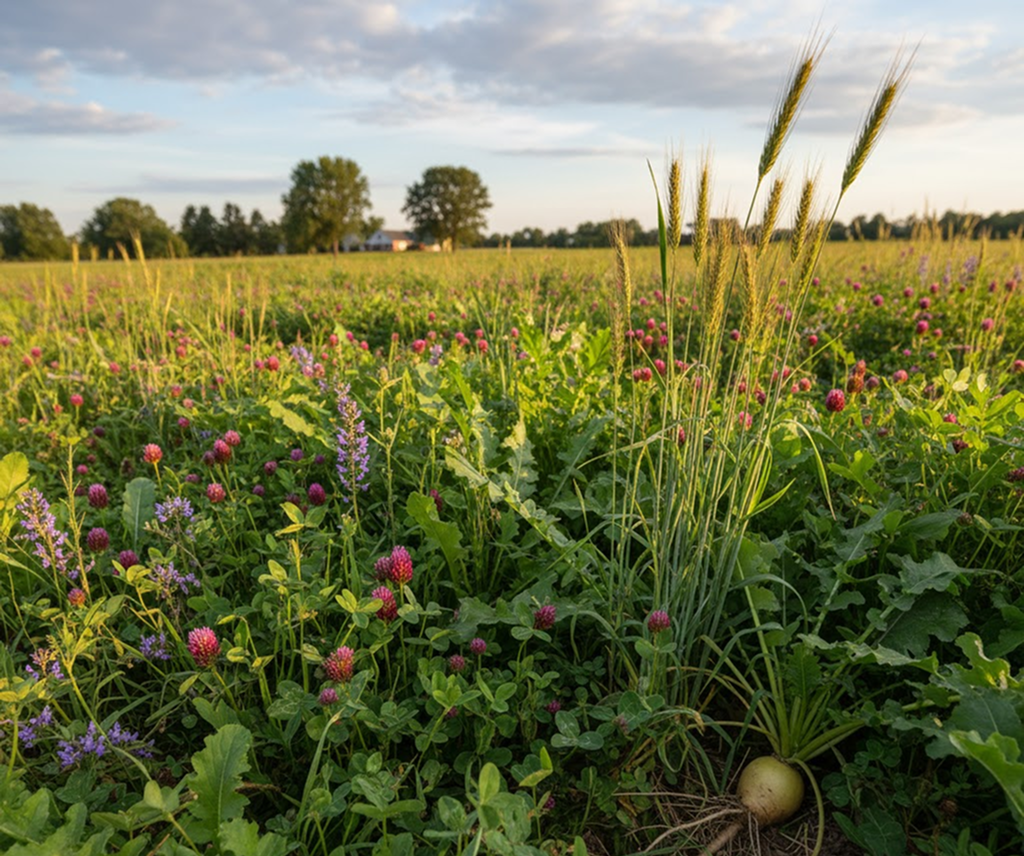
Planting non-cash crops during off-seasons to protect and improve soil. These plants reduce erosion, suppress weeds, enhance soil structure, and add organic matter. When terminated, they provide nutrients for subsequent crops, creating a continuous cycle of soil improvement.
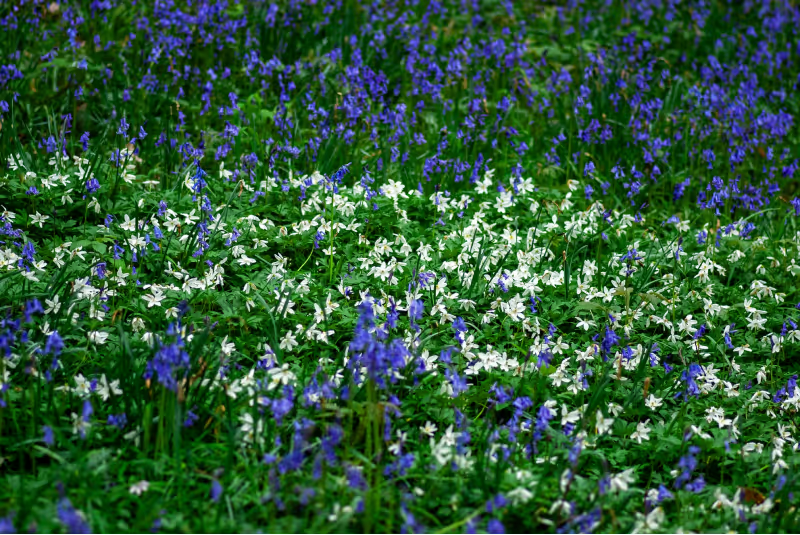
Cultivating plants native to a specific region, uniquely adapted to local conditions. This practice preserves biodiversity, requires less water and fewer inputs, and strengthens local ecosystems. It also helps maintain cultural heritage and can offer distinctive agricultural products.
Boschendal's impact is measurable and tangible.
In 2023, Boschendal onboarded 300 hectares of land onto Landler, where they measured and kept track of nature improvements.

Increase in amount of carbon stored in the soil. It's a proxy for soil health and soil biodiversity.
Increase in amount of water holding capacity of the soil. It's a proxy for soil health and a resilience driver against flood and drought.

Increase in amount of water holding capacity of the soil. It's a proxy for soil health and a resilience driver against flood and drought.
Now, Boschendal plans on continuing their regenerative practices.
Begin your journey today
